
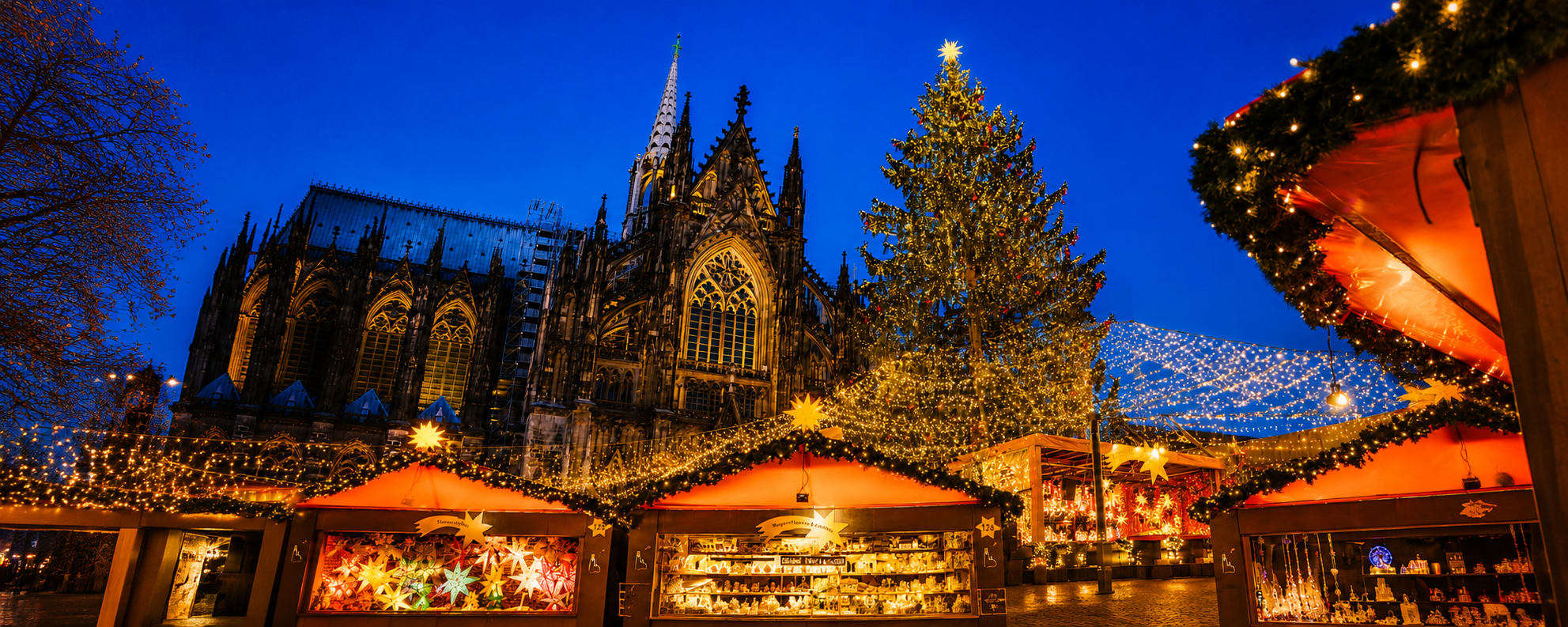
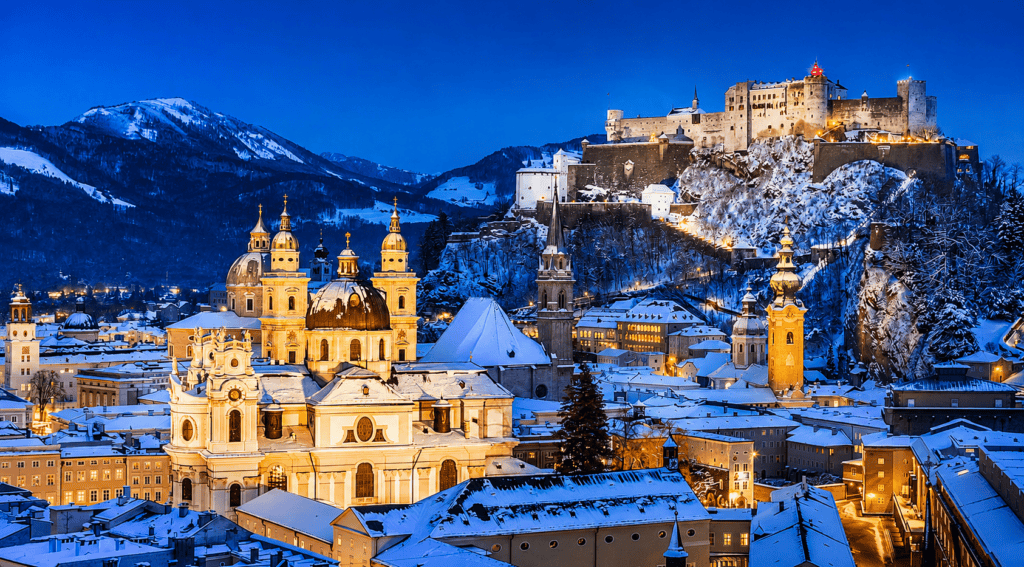
There is a particular hush that settles over Europe in late November as church bells drift across medieval squares and daylight gives way to dusk. Shopkeepers light lanterns outside their doors, the scent of roasted chestnuts, cinnamon, cloves, gingerbread, and mulled wine fills the cool evening air, and families gather beneath strings of lights while children proudly carry gingerbread cookies almost as large as their heads. Beneath cathedral spires, choirs sing just as they have for generations.
More Than a Christmas Market
Long before Christmas became a season of shopping lists and hurried calendars, it was a season of anticipation. In much of Europe, it still is. That may be what I love most about Europe’s Christmas markets. They weren’t created for visitors or staged for tourists. They’re simply part of everyday life. Neighbors meet after work for a glass of mulled wine before heading home. Grandparents bring grandchildren to the same carousel they once rode themselves. Local artisans spend months making ornaments, candles, wooden toys, and holiday treats that become part of another family’s Christmas. The lovely part is that we simply have the privilege of joining in.
The beauty is obvious, but what surprised me was how quickly I stopped looking at my watch. People linger over conversations, shopkeepers aren’t in a hurry, and when a choir begins to sing, people actually stop to listen. For a little while, December feels the way it probably always should have.
Markets with Their Own Personalities
People often ask which Christmas market is my favorite, and I never have a straightforward answer. They’re a bit like old friends. Each has a personality of its own, and choosing a favorite usually says as much about the traveler as it does the destination.

Strasbourg: Where Christmas Began
If you’re visiting Europe’s Christmas markets for the first time, I’d probably send you to Strasbourg. Christmas doesn’t simply arrive here; it quietly takes over the entire city.
Half-timbered houses lean toward narrow streets draped with evergreen garlands and ribbons. Cathedral bells echo through the old town while cafés spill warm light onto the cobblestones. You wander from one market square to the next, never quite sure where one ends and another begins, until just after dusk the great Christmas tree at Place Kléber begins to glow, lights shimmer across the canals, and the whole city seems wrapped in gold.
The bakeries don’t make leaving any easier. Bredele cookies, pain d’épices, kougelhopf, and a warm mug of vin chaud have a remarkable way of turning “just one more stroll” into another hour. Strasbourg is also the gateway to the villages of Alsace, and Colmar, Riquewihr, and Eguisheim reward wandering rather than sightseeing. If you’re lucky enough to arrive after a light snowfall, you’ll understand why this corner of France has inspired Christmas cards for generations.
Nuremberg: Christmas as It Has Been for Centuries
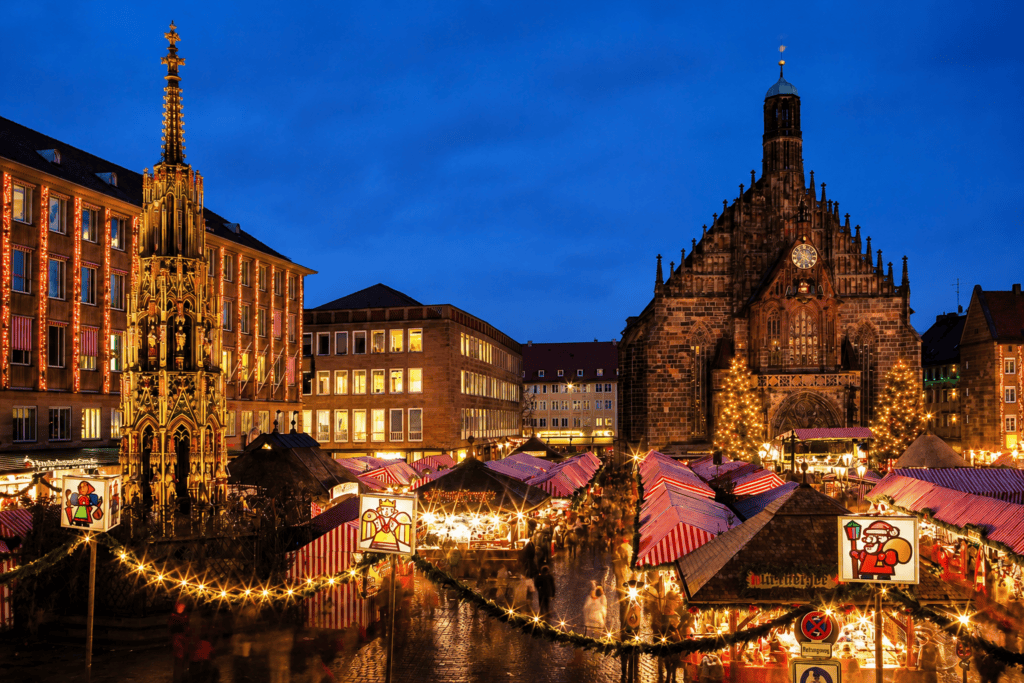
If Strasbourg is romantic, Nuremberg is timeless. The Christkindlesmarkt has welcomed visitors for generations, and although it’s one of Europe’s best-known Christmas markets, it has never lost the traditions that made it famous.
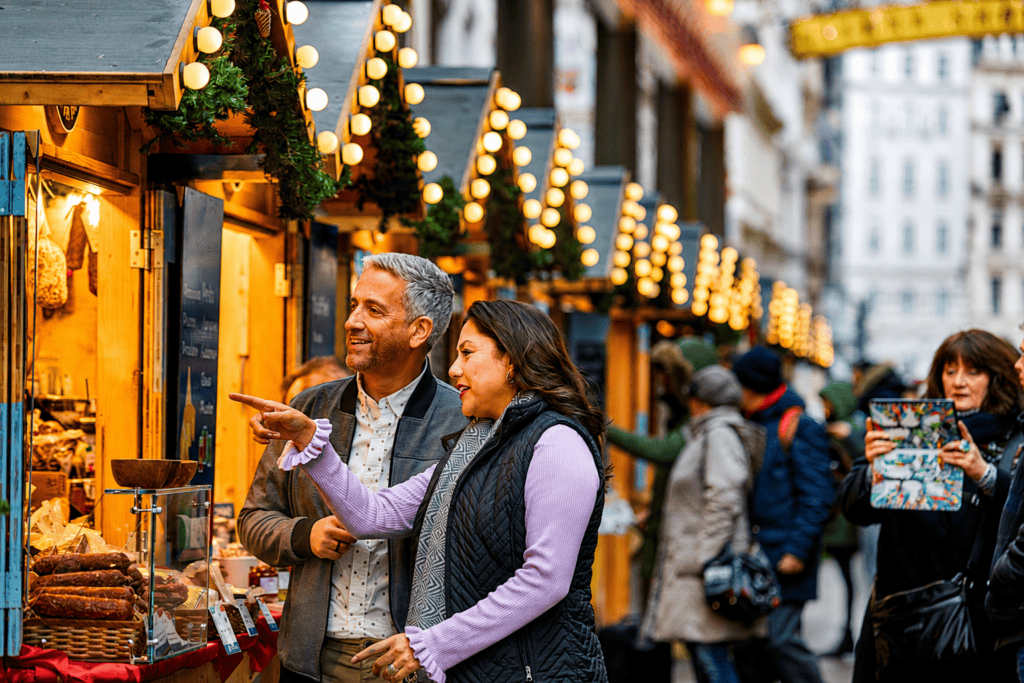
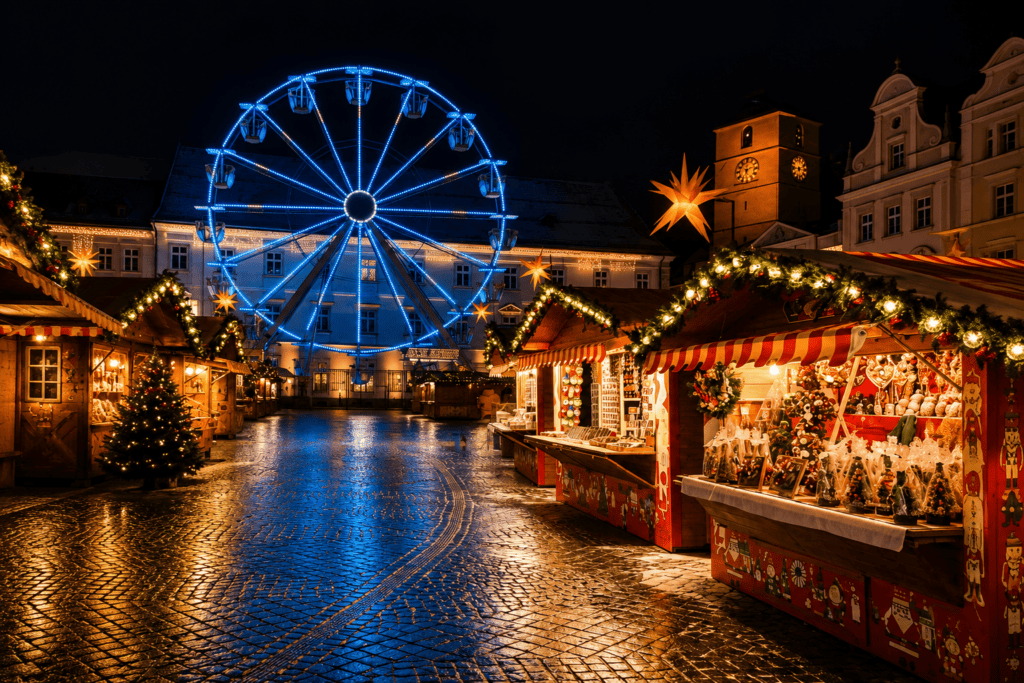
Wooden stalls fill the square beneath the Church of Our Lady, offering handcrafted ornaments, carved toys, beeswax candles, gingerbread, and enough holiday treasures to test anyone’s self-control.
Here’s the only practical advice I’ll offer: leave room in your suitcase. You’ll begin the trip convinced you’re buying one ornament. By the third market you’ll be explaining why a hand-carved nativity, a Christmas mug you’ll use every December, beeswax candles, and a linen runner somehow all qualify as necessities. The souvenir glühwein mugs deserve a mention as well. Technically, you’re supposed to return the mug and collect your deposit. Most people take one look at the design, smile to themselves, and quietly start a collection.
Vienna: Winter at Its Most Elegant
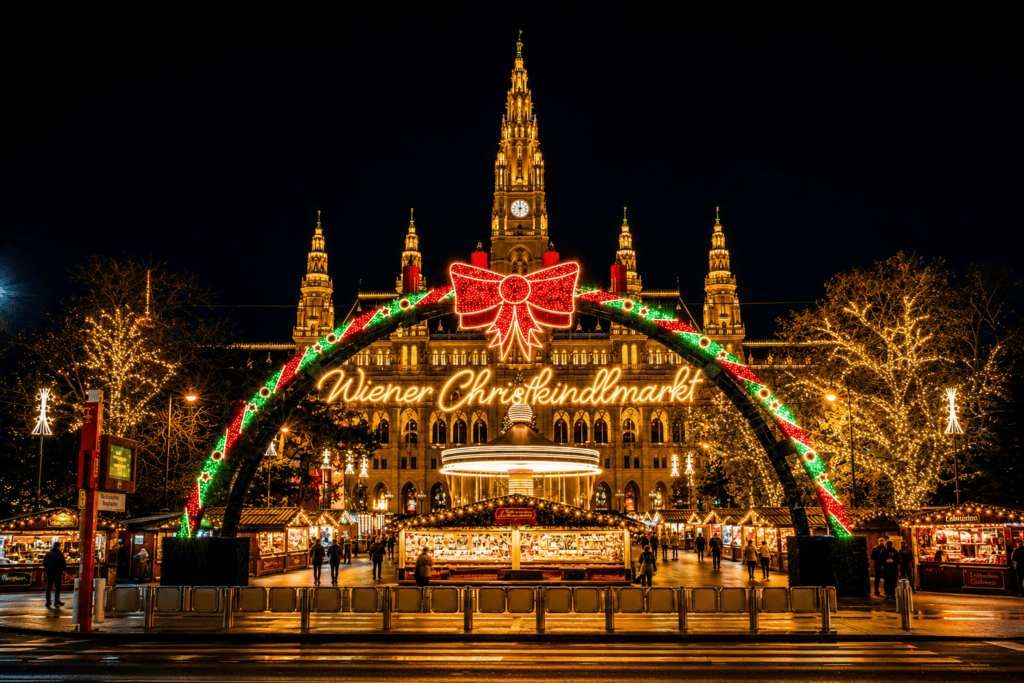
Vienna is beautiful at any time of year, but winter suits it especially well. Imperial buildings, elegant cafés, grand boulevards, and historic concert halls seem made for December. Spend the afternoon browsing handcrafted ornaments and delicate glass decorations before slipping into a café for coffee and Sachertorte, then end the evening at a candlelight concert in one of the city’s historic churches or palaces. The city glows after dark without ever feeling hurried, reminding you that Christmas doesn’t have to be loud to be unforgettable.
Budapest: A Warmer Kind of Winter
Budapest brings a livelier spirit to the season. The Christmas fair at Vörösmarty Square and the market near St. Stephen’s Basilica fill the air with music, laughter, and the aroma of Hungarian comfort food. Chimney cakes turn over glowing coals, bowls of goulash warm chilly evenings, and after dark the Parliament building sparkles across the Danube while the bridges shimmer with lights. End the evening in one of the city’s historic thermal baths, and you’ll wonder why every winter city doesn’t offer the same welcome.
Why Christmas Markets Were Made for River Cruising
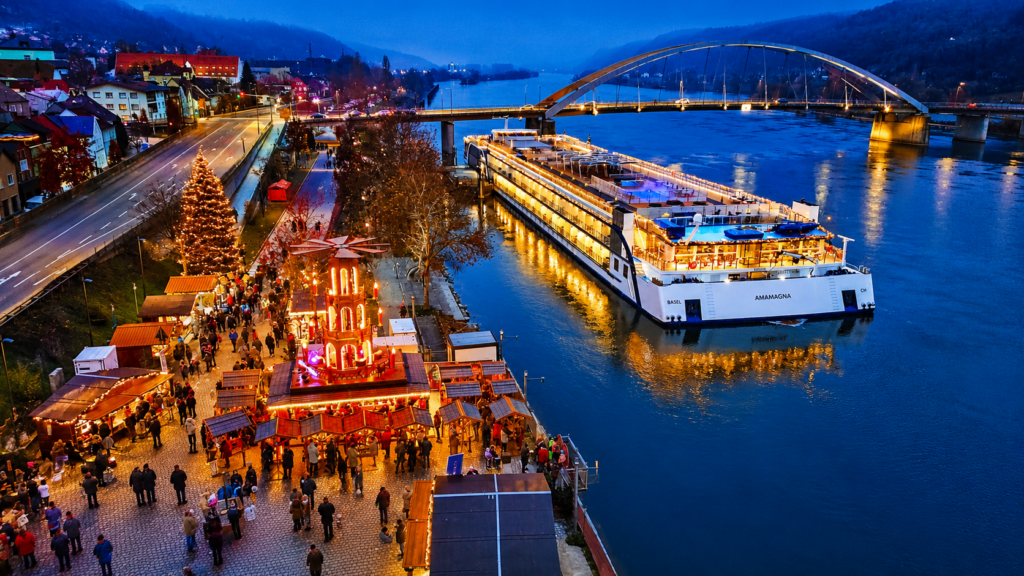
Of all the ways to experience Europe’s Christmas markets, I don’t think any feels more natural than a river cruise. Instead of checking in and out of hotels, navigating unfamiliar train stations, and packing your suitcase every few days, you unpack once and let the river quietly carry you from one Christmas market to the next.
One morning you wake in Strasbourg, spending the day wandering beneath cathedral spires before crossing into the villages of Alsace. A day or two later you’re exploring Germany’s storybook markets, then sipping coffee in Vienna or watching the lights shimmer across the Danube in Budapest. Each destination arrives almost effortlessly, leaving you free to enjoy the season instead of worrying about the logistics. It doesn’t take long before you begin to settle into the river’s rhythm, where every morning feels like a new beginning and every evening feels comfortably familiar.
The celebrations continue long after you leave the market. Whether you’re sailing with Uniworld, AmaWaterways, or Tauck, the ships embrace the season with beautifully decorated Christmas trees, evergreen garlands, twinkling lights, festive music, and thoughtful holiday touches throughout the lounges and dining rooms. After an afternoon in the crisp winter air, returning to a ship glowing for Christmas with a glass of wine waiting and dinner just ahead feels less like returning to a hotel and more like coming home.
Each line has its own style. Uniworld’s beautifully designed boutique ships feel perfectly at home on the grand capitals of the Danube and the storybook villages of the Rhine. AmaWaterways strikes a lovely balance between guided exploration and free time, leaving plenty of opportunities to wander down one more side street or linger over another mug of glühwein without feeling rushed. Tauck takes care of the details so quietly that you rarely think about them at all, which may be one of the greatest luxuries of good travel.
The Rhine and the Danube each tell a different Christmas story. The Rhine winds through the fairy-tale towns of France and Germany, while the Danube pairs Vienna’s quiet elegance with Budapest’s festive spirit and the charming towns that connect them. There isn’t a wrong choice. There is only the river that feels most like your kind of Christmas, and whichever you choose, the journey unfolds at exactly the pace Advent deserves.
Planning Your Christmas Market Journey
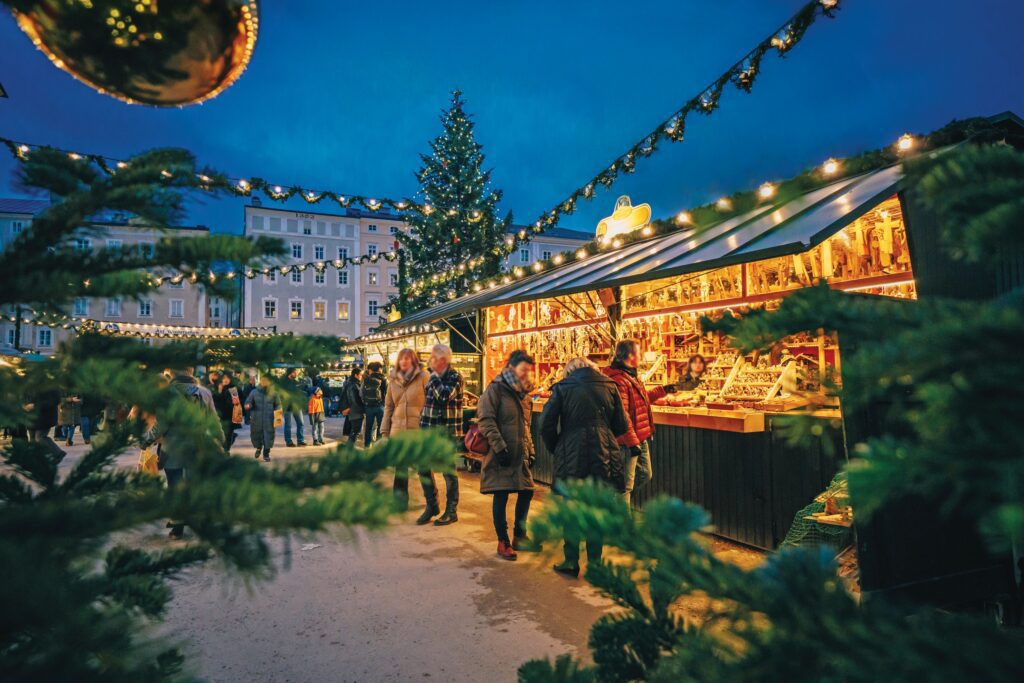
Most Christmas markets open during the final week of November and continue until December 23 or Christmas Eve. If your hope is to experience Advent at its most enchanting, plan your visit between late November and the second week of December. The lights are glowing, choirs fill the squares, and the markets have settled into the gentle rhythm that makes this season so special.
Christmas market river cruises are among the most sought-after sailings of the year, particularly during the first half of December. Booking 12 to 18 months in advance gives you the best choice of itineraries, sailing dates, and cabin categories. It’s also rather nice to have December waiting for you long before winter arrives.
Winter in Europe is often gentler than many travelers expect, but you’ll spend hours outdoors, so pack warm layers, comfortable waterproof shoes, gloves, and a scarf. A crossbody bag is useful for tucking away gloves, a camera, and the small treasures that somehow seem to follow you home.
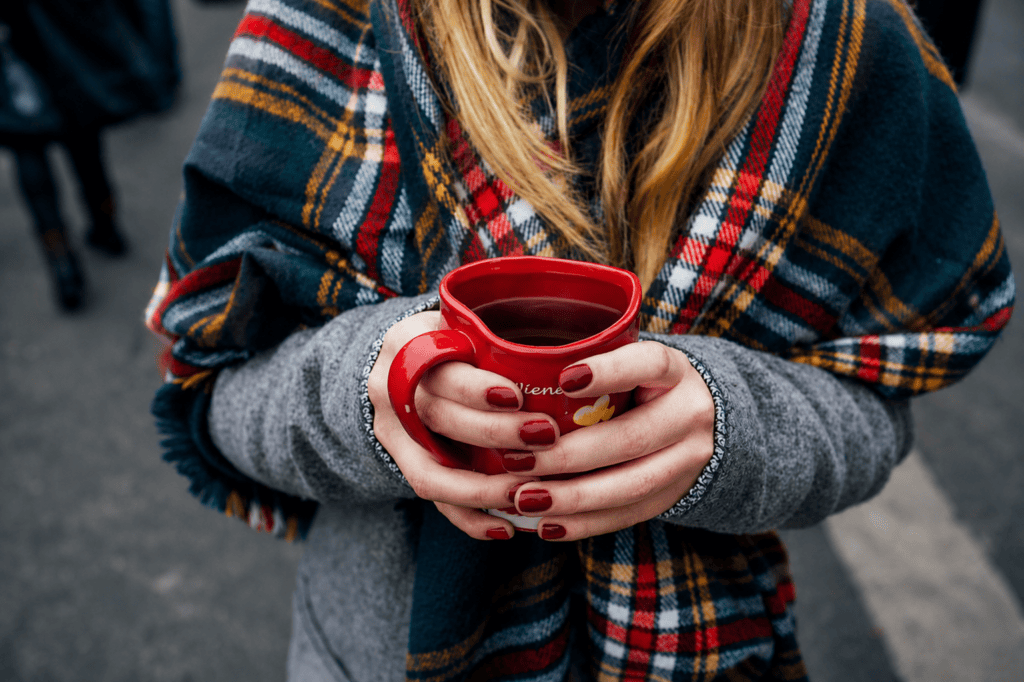
One little tradition catches almost everyone by surprise. Your first mug of glühwein or vin chaud is usually served in a beautiful ceramic mug, and you’ll pay a small refundable deposit, known as a Pfand, when you order. Return the mug and you’ll receive your deposit back. Keep it, and you’ve just started your Christmas market collection. Most people do.
Credit cards are widely accepted today, but I still like carrying a few Euros for the smallest artisan stalls. Those are often the places where the person handing you the ornament is the very person who carved it, painted it, or shaped it from glass only a few days before.
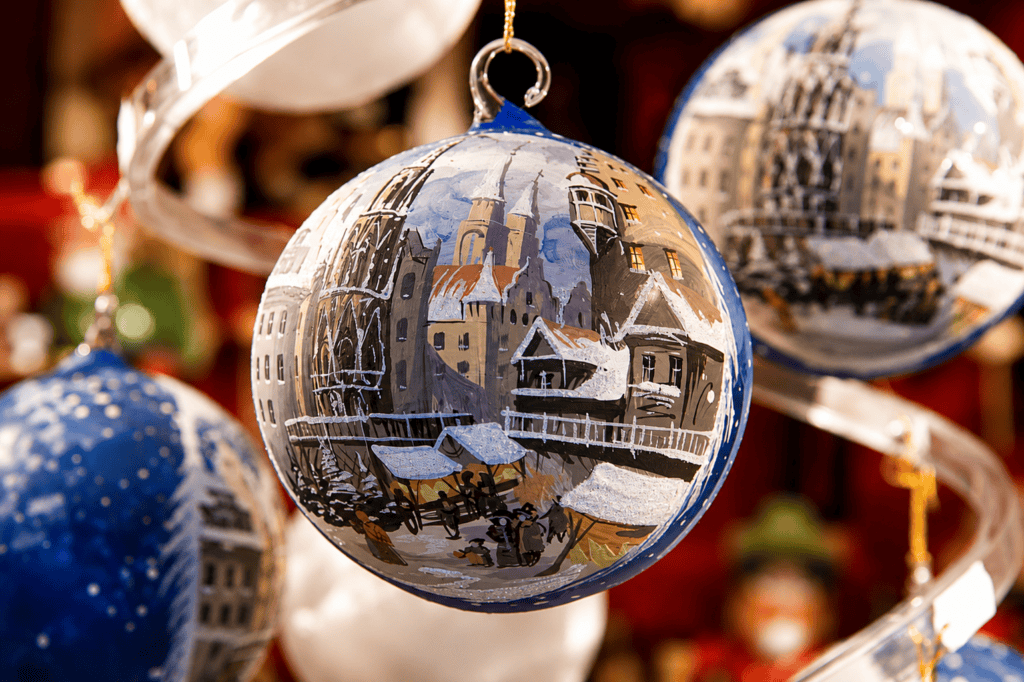
One last suggestion: leave a little extra room in your suitcase. You’ll probably arrive intending to bring home one ornament. By the end of the journey, you’ll be making room for a hand-blown glass bauble, a Christmas mug you’ll use every December, beeswax candles, gingerbread, and something unexpected that quietly carries you back to Europe every Christmas thereafter.
The Little Things You’ll Remember
Years later, you probably won’t remember which market was the largest or which city had the tallest Christmas tree.
You’ll remember the artisan who wrapped a fragile ornament as though it belonged to her own family. The choir singing inside a candlelit church. The warmth of a mug between cold hands. The scent of roasted chestnuts drifting through a medieval square. The first souvenir mug you fully intended to return, but somehow found its way into your suitcase instead.
An ornament is still my favorite souvenir. It takes up very little room, assuming you stop at one, and every December, as you unwrap it from its tissue paper and hang it on the tree, you’re carried back to the market where you found it. That’s one of the quiet gifts of travel. Long after the journey ends, it finds small ways to become part of your own traditions.
A Quieter Kind of Christmas
Perhaps that’s the greatest gift of Europe’s Christmas markets. It isn’t something you’ll wrap and place beneath the tree. It’s the reminder that December was never meant to be rushed.
Advent unfolds one evening at a time, measured in church bells, candlelight, warm conversation, and unhurried walks through streets that have celebrated the season for centuries. It reminds us that anticipation is every bit as meaningful as the celebration itself, and that some of life’s happiest moments arrive quietly, without asking for our attention.
May your December be filled with candlelight, good conversation, and the quiet anticipation that makes Advent so special.
Until next time.


