
A Guide to France’s Rivers and the Regions They Reveal
You Want to River Cruise France. Wonderful. Which France?
“I want to take a river cruise in France” sounds like a very specific request. It isn’t.
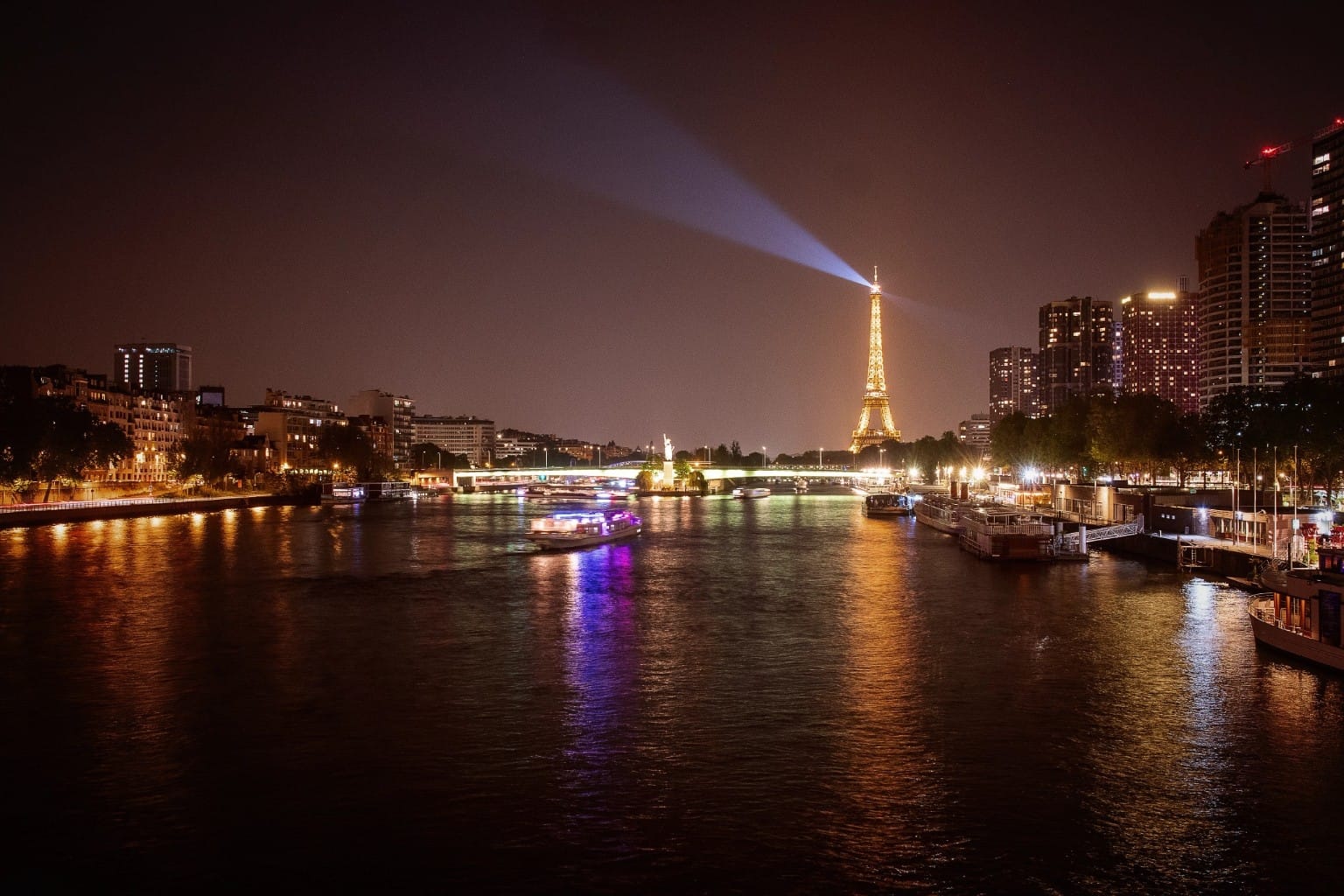
There is the France of the Seine, where Paris gives way to Normandy, Monet’s gardens, medieval Rouen and a coastline that changed the course of history. There is the France of the Saône and Rhône, where Burgundy slips into Lyon and eventually Provence, and your days involve Roman ruins, village markets, vineyards and serious discussions about what to have for lunch. And there is the Garonne and Dordogne, winding through Bordeaux wine country, where Saint-Émilion, the Médoc and an impressive number of châteaux make wine feel less like a beverage and more like a civic responsibility.
All three are France. They are not even close to the same vacation.
That’s the lovely dilemma of river cruising here. There is no single “best French river cruise,” because each river shows you a completely different side of the country.
So before you choose a ship, a suite or a cruise line, start with a more interesting question: which side of France is yours?
Let’s find out.
The Seine: Paris & Normandy
If Paris is part of the dream, the Seine is the obvious place to begin.
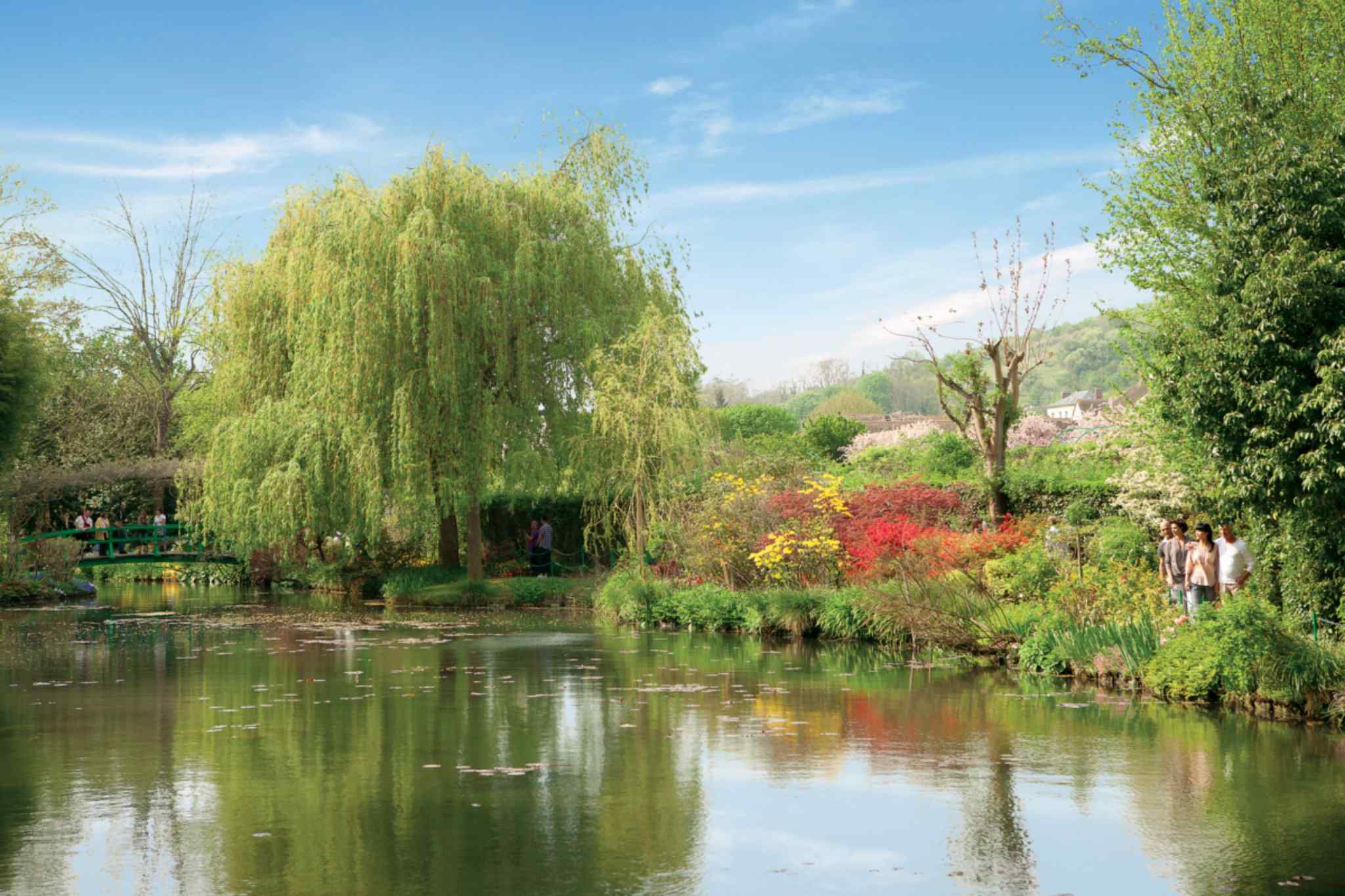
Most Seine river cruises begin and end in Paris or nearby, making it easy to add a few days in the capital before or after the cruise. Then the river carries you northwest into Normandy. It doesn’t take long for Paris to give way to smaller towns, chalk cliffs and the green countryside that became inseparable from the Impressionists. Monet lived at Giverny for more than 40 years, and a visit to his house and gardens—water lilies, Japanese bridge and all—is one of the great pleasures of this route.
Then there is Rouen, a city that has accumulated an extraordinary amount of history without becoming a museum piece. Its medieval center is still lined with half-timbered houses, its Gothic cathedral dominates the skyline, and Joan of Arc was tried and executed here in 1431. Centuries later, Monet became preoccupied with that same cathedral, painting it more than 30 times as the light changed across its façade. Apparently one cathedral was not one painting.
Farther west, the story changes again. Many Seine itineraries include excursions to Normandy’s D-Day landing beaches, the American Cemetery at Colleville-sur-Mer and
other sites associated with June 6, 1944. The landscape is peaceful now, which somehow makes knowing what happened here even more affecting. This is one of those places where having a knowledgeable guide matters.
Nearby, Honfleur gathers around its narrow old harbor, its tall houses reflected in the water much as they were when artists began arriving here in the 19th century. Depending on the cruise line and itinerary, Honfleur may be visited by excursion rather than directly by river ship—a small geographic detail worth noticing when you compare cruises.
The Seine is particularly well suited to travelers drawn to Paris, art, French history and Normandy, as well as first-time river cruisers who want considerable variety without covering enormous distances. It works equally well for someone returning to Paris who is ready to see what lies beyond it.
AmaWaterways, Uniworld, Scenic and Tauck each sail the Seine, but they don’t necessarily show you Normandy in the same way. Excursion choices, pace, inclusions and the amount of freedom built into your day can change the experience considerably.
The river tells you where you’re going. The cruise line has quite a bit to say about how you’ll see it.
The Rhône & Saône: Burgundy & Provence
If your France involves vineyards, markets and taking lunch seriously, turn south.
A Rhône and Saône river cruise gives you two very different versions of France in one journey. Along the Saône, Burgundy is the headline: Chalon-sur-Saône, Tournus, Mâcon, medieval towns, old abbeys and vineyards responsible for some of the most celebrated wines on earth.
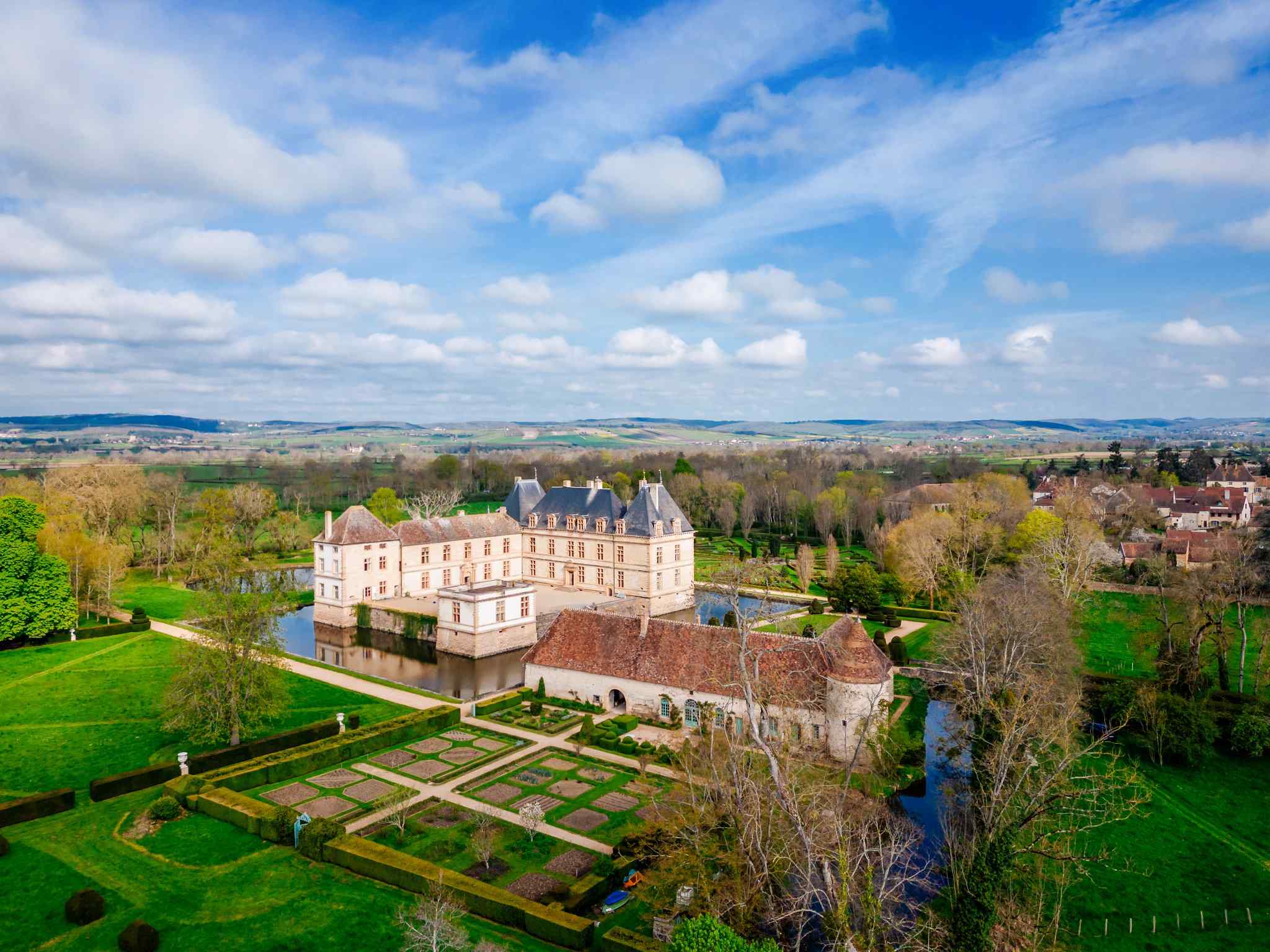
This is a place to taste as much as see. There is pungent Époisses, velvety red Burgundy, mustard with actual opinions, and vineyards that turn from green to deep gold and russet as the season changes. Burgundy does not treat eating well as an indulgence. It seems to regard it as basic competence.
Then you reach Lyon, where the Saône meets the Rhône and everybody gets even more serious about dinner.
Lyon is one of France’s great food cities, famous for its traditional bouchons as well as a culinary culture shaped by generations of cooks, markets and formidable appetites. But it is more than a place to eat your way through a shore excursion. Its Renaissance old town, traboules and position at the meeting point of two rivers make it the natural turning point of the journey: Burgundy behind you, Provence ahead.
South of Lyon, the Rhône takes over.
The landscape opens, the light changes, and Provence begins to announce itself. Depending on the season, lavender fields may appear beyond the road, while market stalls are piled with herbs, olives, fruit and whatever happens to be at its best that week. The stone turns warmer. The sun feels sharper. Lunch somehow lasts longer.
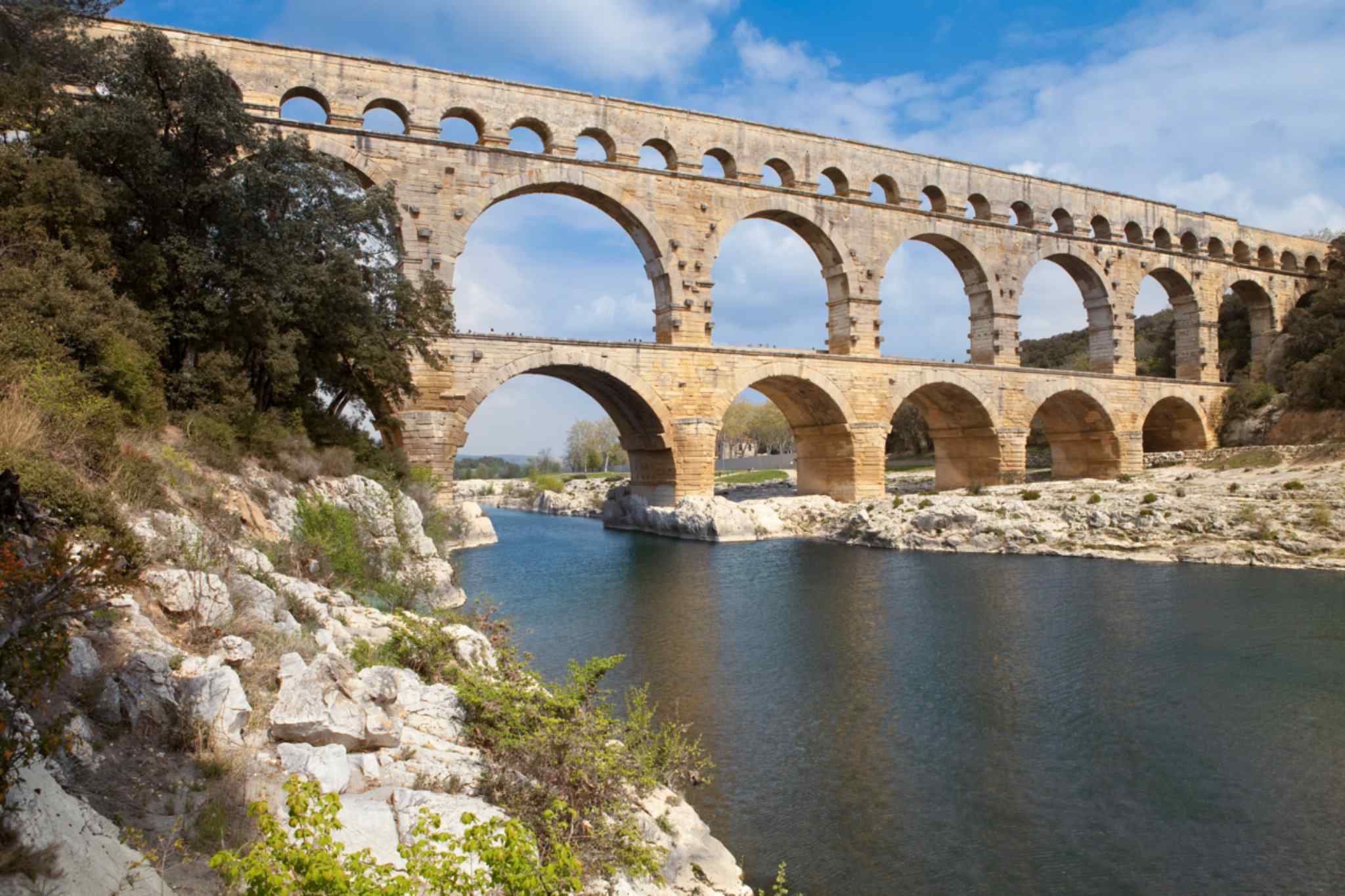
Avignon brings the enormous Palais des Papes, a reminder that the papacy was based here during much of the 14th century. Arles goes back considerably farther, with Roman monuments that have survived for nearly two thousand years and streets later painted by Van Gogh.
Between them are vineyards, villages, market squares and the sort of cafés where ordering one coffee can somehow occupy most of the morning. No one appears especially concerned.
This is the French river cruise I would look at first for travelers who care about food and wine, Burgundy, Provence, Roman history, villages and local markets. It is also a particularly good choice for someone who has already seen Paris—or has simply concluded that Paris has received quite enough attention.
One thing to watch when comparing Rhône and Saône river cruises: the words Burgundy and Provence on a brochure do not guarantee identical itineraries. Some cruises spend more time on the Saône and in Burgundy; others concentrate on the Rhône and Provence; still others combine both. AmaWaterways and Uniworld, for example, offer different ways of putting these regions together, and the distinction is worth looking at before you fall in love with a ship.
Because “the South of France” covers a surprising amount of France.
And not all of it comes with lavender.
The Garonne & Dordogne: Bordeaux Wine Country
If Burgundy teaches you to take lunch seriously, Bordeaux may persuade you that wine deserves its own curriculum.
First, a small piece of geography, because Bordeaux river cruises are slightly more complicated than their name suggests. Bordeaux itself sits on the Garonne. North of the city, the Garonne and Dordogne come together at the Bec d’Ambès to form the Gironde estuary, creating the network of waterways used by river ships exploring the region. A typical itinerary moves among Bordeaux, Libourne, Blaye, Pauillac and Cadillac, with excursions reaching some of the most celebrated vineyards in the world.
The city of Bordeaux is considerably more than a place to board the ship. Its long sweep along the Garonne, elegant limestone buildings and grand 18th-century façades give the city a sense of occasion before you have tasted a single glass of wine. From here, the river becomes the thread connecting several very different corners of Bordeaux wine country.
On the Dordogne side, Libourne is the usual gateway for Saint-Émilion, where medieval streets climb through a landscape of vineyards and limestone. Across the Gironde estuary lies the Médoc, with Pauillac and a concentration of famous wine estates whose names tend to make collectors sit up a little straighter. Blaye adds something different altogether: a formidable 17th-century citadel overlooking the estuary, proof that people were fighting over access to Bordeaux long before anyone started debating vintages.
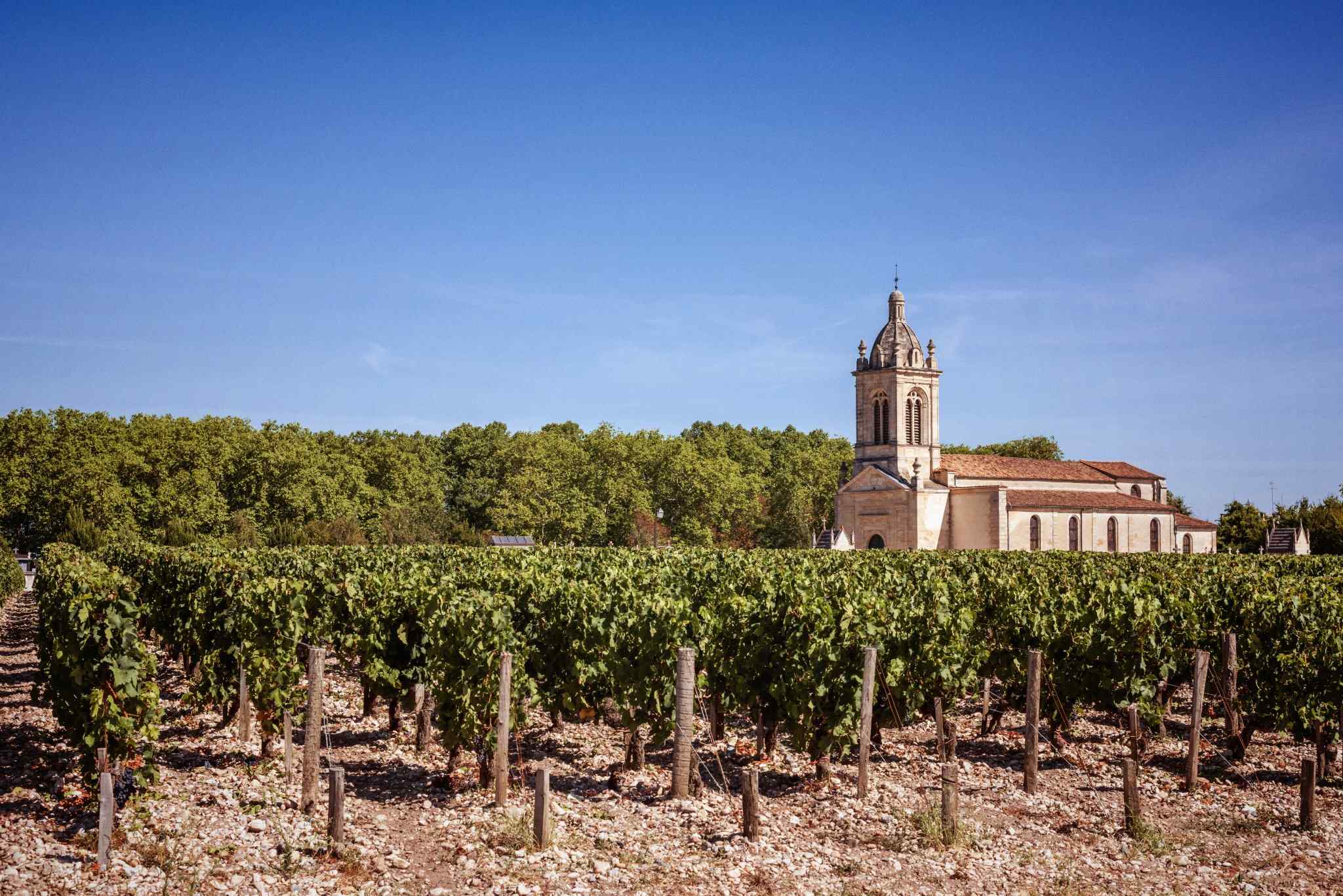
You do not need an encyclopedic knowledge of Bordeaux classifications to enjoy this trip. But you should probably be interested in wine. It is not decorative scenery here. Wine explains the landscape, the villages, the châteaux, much of the history and, with impressive regularity, what you will be doing after breakfast.
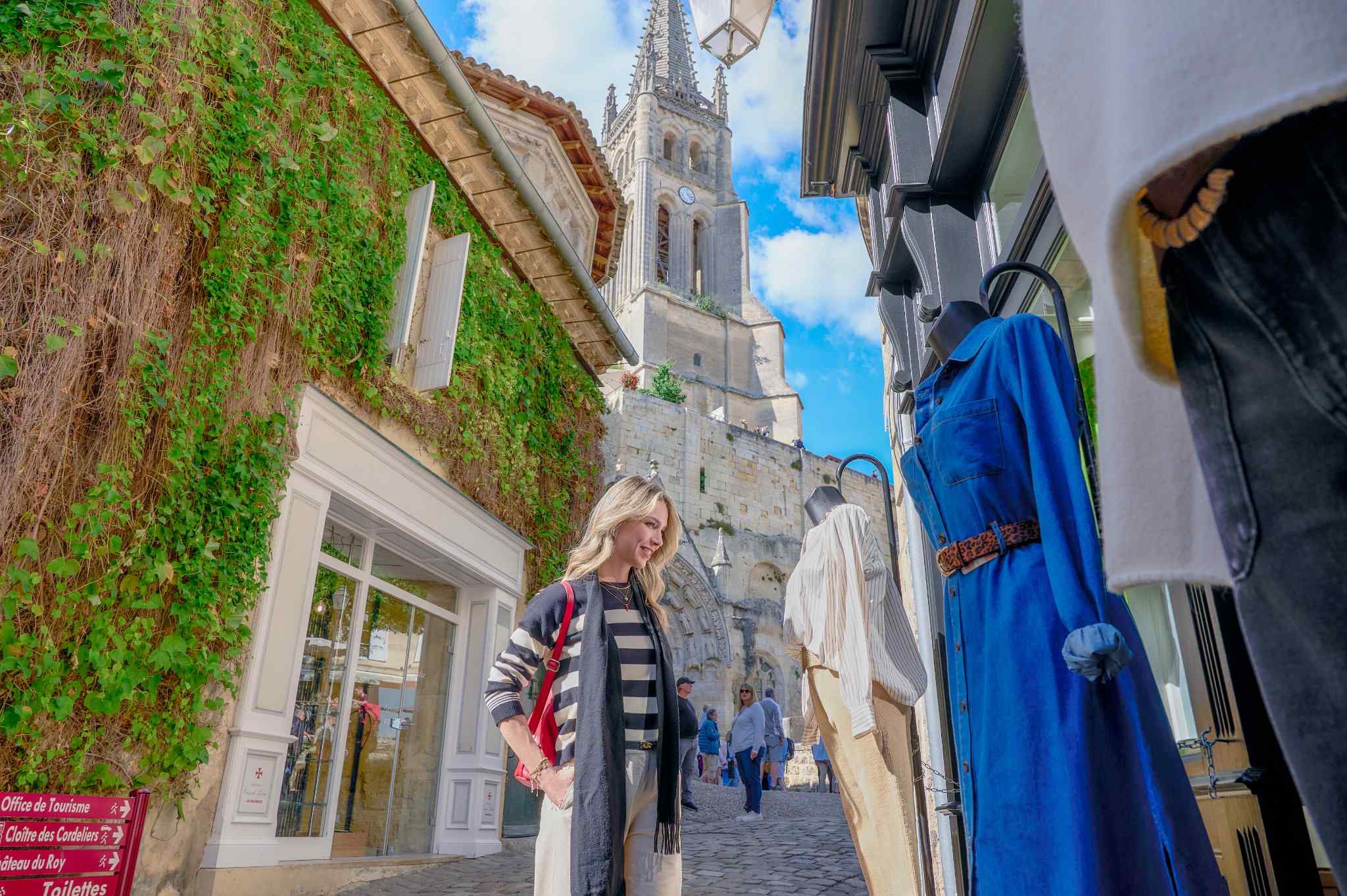
This is the French river cruise for travelers drawn to Bordeaux, Saint-Émilion, the Médoc, vineyards, food and a slower exploration of one region. It particularly suits repeat visitors to France who no longer feel compelled to collect monuments by the dozen.
AmaWaterways and Uniworld both offer Bordeaux itineraries, but the important question is not simply which line sails here. It is how each one uses the region: which wine estates are visited, how much time is spent ashore, how excursions are structured and whether the pace leaves room to linger rather than simply taste and move on.
And there is a pleasant side effect to spending a week here.
You may arrive simply liking Bordeaux.
You may leave with a favorite appellation, a preferred bank and opinions you did not have a week ago.
So Which French River Cruise Is Right for You?
If you are comparing the Seine vs. Rhône and Saône vs. Garonne and Dordogne, this is the short version.
| If you want… | Choose… |
|---|---|
| Paris as part of the trip | The Seine |
| Normandy and D-Day history | The Seine |
| Monet, Giverny and Impressionist France | The Seine |
| A first French river cruise with plenty of variety | The Seine or Rhône & Saône |
| Burgundy and Provence | The Rhône & Saône |
| Food, markets and long lunches | The Rhône & Saône |
| Roman history and southern France | The Rhône & Saône |
| A trip centered on wine country | The Garonne & Dordogne |
| Saint-Émilion and the Médoc | The Garonne & Dordogne |
| A slower immersion in one region | The Garonne & Dordogne |
| A second or third trip to France | The Rhône & Saône or Garonne & Dordogne |
There is no single best river cruise in France. The Seine gives you Paris, Normandy, art and history. The Rhône and Saône give you Burgundy, Lyon and Provence. The Garonne and Dordogne take you deep into Bordeaux wine country.
The better question is not which river wins.
It is which side of France you are not quite finished with yet.
Some of Our Favorite Pre- and Post-Cruise Options
One of the pleasures of river cruising in France is that the journey does not necessarily end when the ship does.
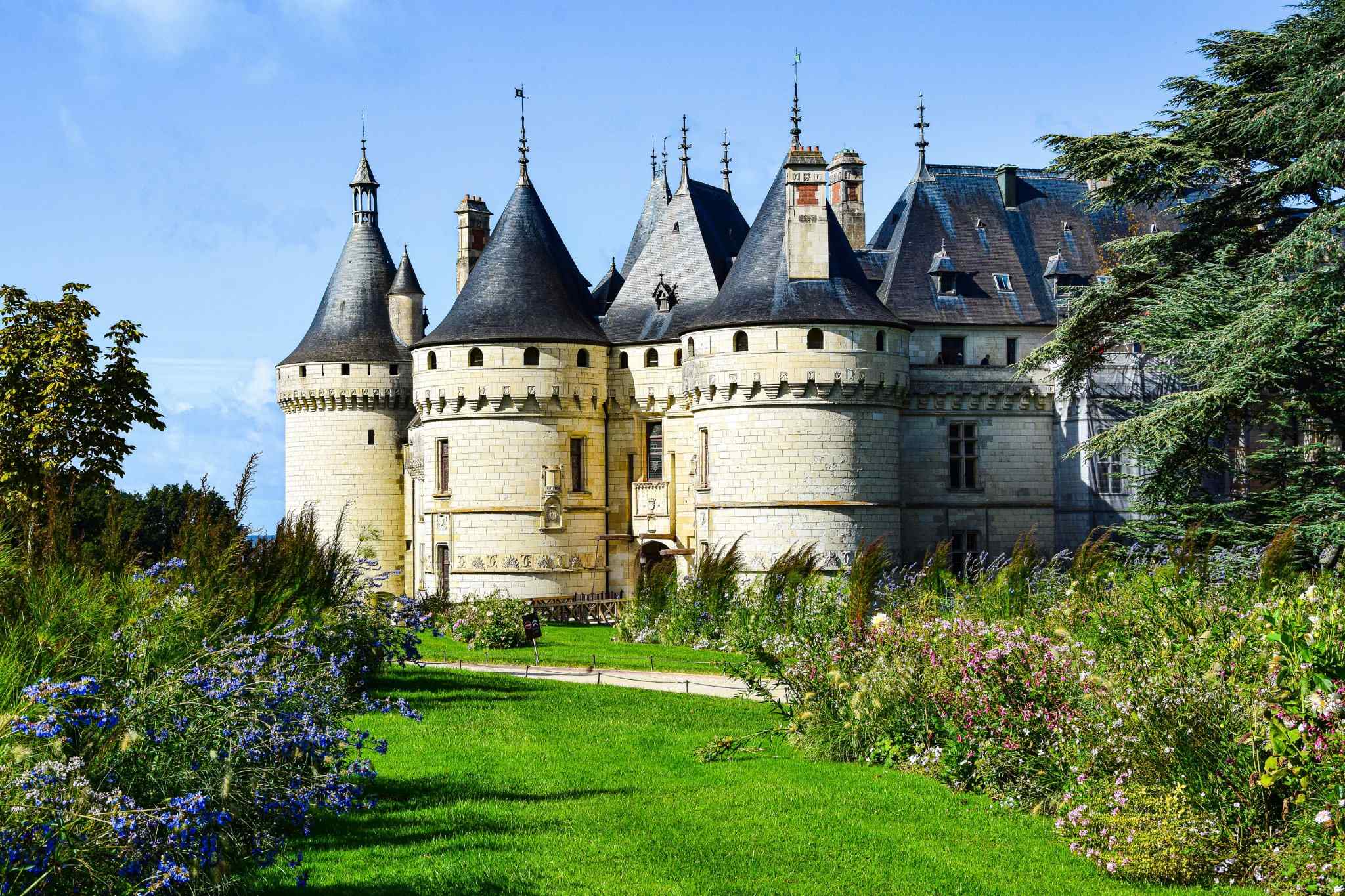
AmaWaterways offers a particularly appealing post-cruise option after Bordeaux: two nights in the Loire Valley and one night in Paris. It is a lovely change of rhythm—wine country gives way to châteaux, gardens and the Loire before finishing in the capital. AmaWaterways also offers a Paris and Dinard pre-cruise extension with its Seine program, adding Brittany and places such as Saint-Malo and Mont-Saint-Michel before the river portion begins. For Rhône itineraries, there is also a French Riviera land package.
Uniworld takes a more regional approach. Its Brilliant Bordeaux itinerary can begin with four days in Biarritz and the French Basque Country, including Bayonne and Saint-Jean-de-Luz. Its Burgundy & Provence program can be paired with Cassis on the Mediterranean, complete with a vineyard visit and wine tasting, or with additional time in Paris.
Tauck often builds the land portion into the trip rather than treating it as an extra. Savoring France: Paris, Lyon & Provence adds two nights in Paris to a seven-night Rhône cruise, while French Escapade carries the journey farther still, combining the Rhône and Saône with Paris and Monte-Carlo.
These are not just convenient add-ons. They change the shape of the journey.
Bordeaux can lead to the Loire. Provence can finish at the Mediterranean. Normandy can begin in Brittany.
France, rather inconveniently, keeps going.
The Cruise Line Matters
Once you know which France you want, there is still the matter of how you want to see it.
Two cruise lines can follow remarkably similar routes and produce very different trips. The distinction is not just décor, although that certainly has its place. It is how much choice you have ashore, how structured the day feels, what is included, how active you want to be and how much of France you would rather discover with a guide versus on your own.
Swipe left to view the full table →
| Cruise Line | Best Fit | Overall Style | What’s Included | Standout |
|---|---|---|---|---|
| AmaWaterways | Travelers who like choice and activity | Relaxed, polished, flexible | Meals, excursions, Wi-Fi, Sip & Sail, wine/beer/soft drinks at lunch and dinner | Multiple excursion levels, biking/hiking, wellness and The Chef’s Table |
| Uniworld | Travelers who want boutique luxury and distinctive design | Lavish, highly individual, very inclusive | Premium beverages, onboard gratuities, excursions, Wi-Fi, bicycles and fitness programs | Ships designed as part of the destination experience |
| Tauck | Travelers who want everything orchestrated | Polished, traditional, highly guided | Virtually all trip expenses, excursions, gratuities, transfers, premium beverages and selected hotel stays | Private access, exclusive cultural experiences and integrated land stays |
| Scenic | Travelers who want contemporary all-inclusive luxury | Sleek, modern, flexible | Meals, premium beverages, gratuities, excursions and butler service | Scenic Freechoice excursions and a high level of onboard inclusions |
AmaWaterways is particularly strong for travelers who want options ashore; Uniworld makes the ship itself part of the experience; Tauck excels at tightly integrated land-and-river journeys; and Scenic combines a contemporary luxury style with considerable freedom in how you spend the day. Those distinctions matter more than they may appear when you are simply comparing itinerary maps.
None of these approaches is inherently better.
But one of them may be much better for you.
That is why choosing a French river cruise by itinerary alone is only half the job.
When You Go Matters
France changes with the seasons, and so does a river cruise.
Spring brings gardens, green countryside and cooler temperatures—especially lovely on the Seine, when Giverny begins to earn its reputation. Summer means long days and plenty happening ashore, but if lavender is part of the Provence fantasy, timing matters: flowering generally runs from mid-June into early August, with the exact peak varying by location, altitude and weather.
Late summer and early fall change the mood again. In Burgundy and Bordeaux, the vineyards begin to turn gold, russet and red, while harvest season gives wine country a different rhythm.
There is no single best month for a French river cruise.
There is only the best month for the France you came to see.
So Which Side of France Is Yours?
The Seine gives you Paris, Normandy, art and history. The Rhône and Saône bring Burgundy, Lyon and Provence. The Garonne and Dordogne take you into Bordeaux wine country, where the villages, vineyards and châteaux set an entirely different pace.
None of them is the “right” France.
The better question is which one sounds most like the trip you want to take now.
And once you know that, the rest becomes easier: the right itinerary, the right cruise line, the right time of year, and perhaps a few extra days before or after because, as we have already established, France rather inconveniently keeps going.
If you are deciding between them, that is exactly the kind of conversation we love having.
Until next time.


